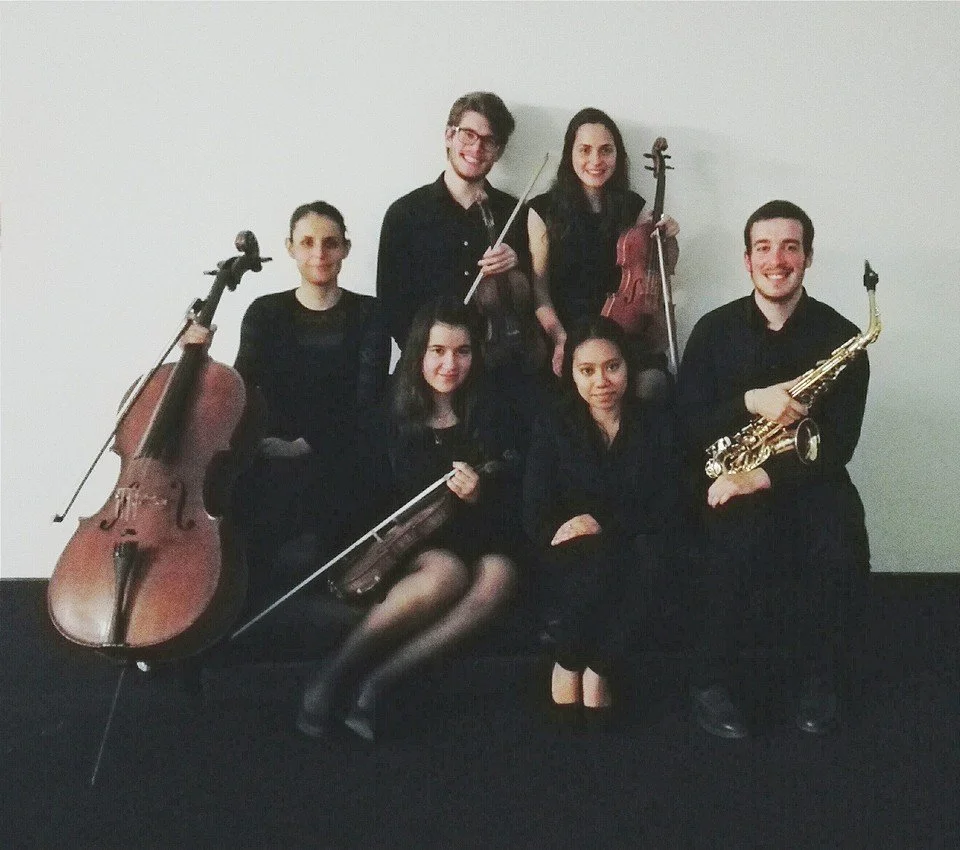
Vision Ensemble is a chamber music initiative founded in 2015 by violinist Gonçalo Fernandes.
Created in Setúbal, Portugal, the ensemble developed as a flexible platform for collaborative performance, bringing together musicians from different backgrounds and exploring the relationship between chamber music, identity, accessibility and social engagement.
From its earliest performances, Vision Ensemble aimed to move beyond conventional concert formats. Its programmes combined classical repertoire with contemporary music, popular culture and new arrangements, creating performances that could connect with audiences in both traditional and alternative spaces.
Over time, the ensemble expanded its activity between Portugal and the United Kingdom, developing a multicultural and collaborative identity while retaining a strong connection to Portuguese musical culture.
Portugal, 2015 to 2018
The ensemble's early activity was centred in Setúbal, where it presented concerts across galleries, festivals and cultural events.
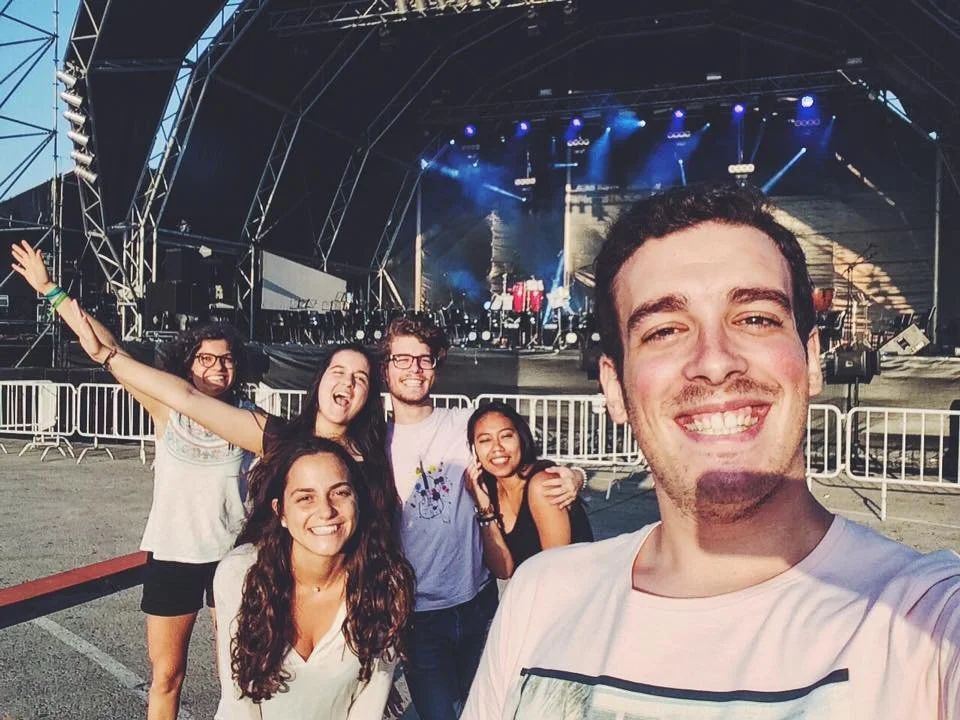
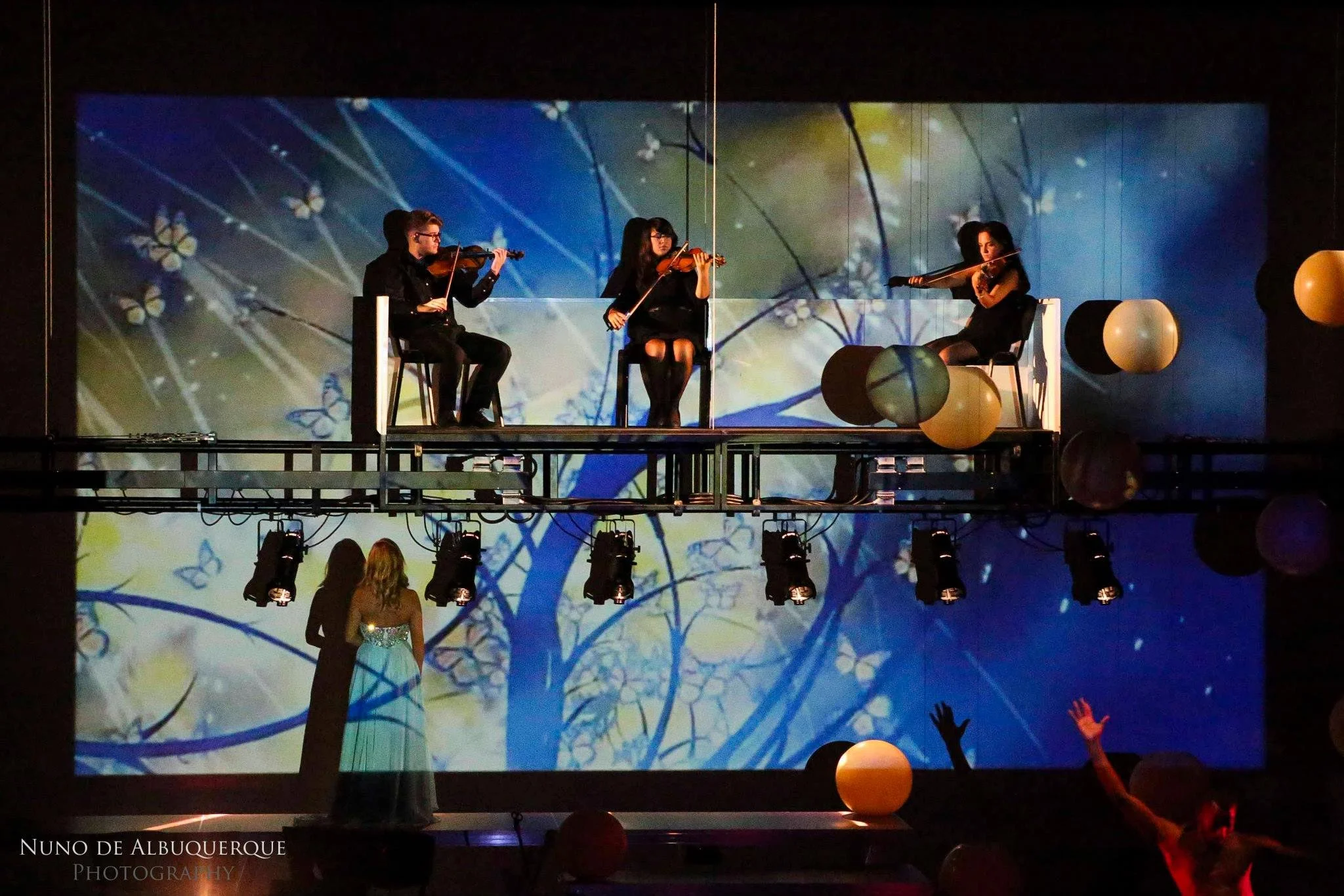
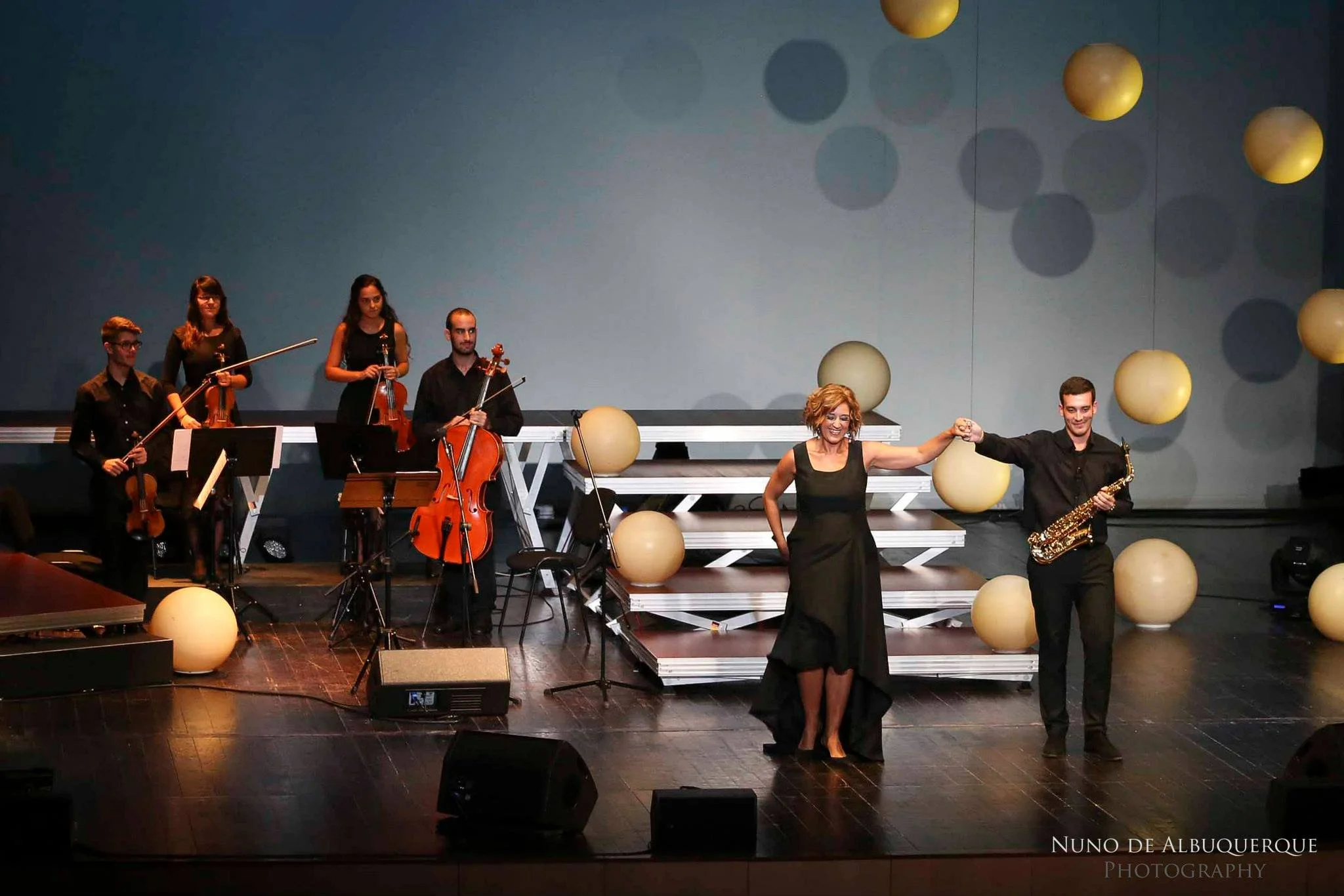
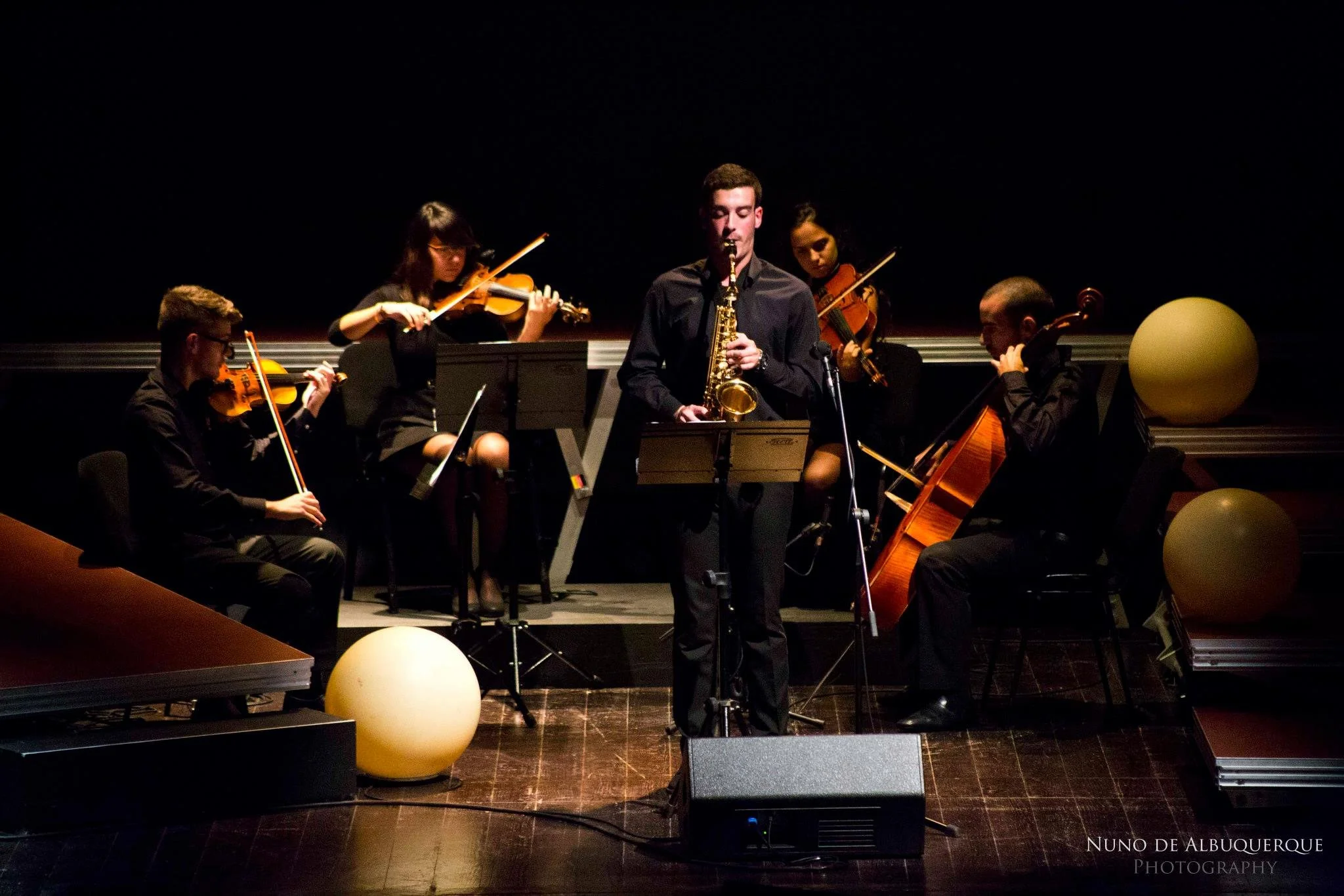
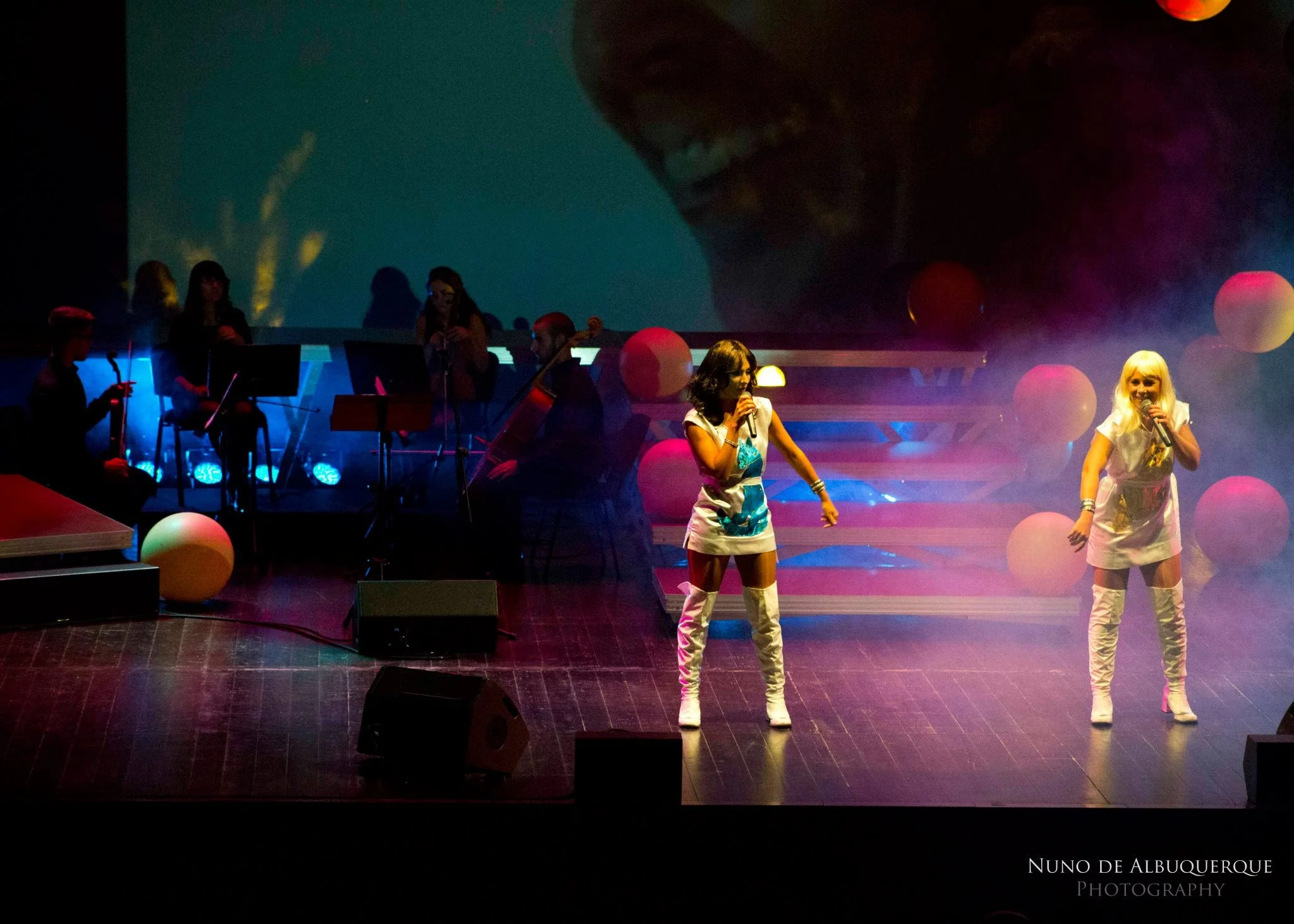
In 2015, Vision Ensemble was invited to open the Eurovision Live Concert in Setúbal, performing an orchestral reinterpretation of Rise Like a Phoenix.
Further performances followed at Galeria Atelier Arte Pólvora D'Cruz, where the ensemble developed programmes combining classical, popular and crossover repertoire, centred on new arrangements and accessible chamber music programming.
In 2016, Vision Ensemble also performed at the Feira de Santiago, one of Setúbal's major cultural events, introducing the ensemble's cross genre approach to a wider public audience.
These performances established the foundations of the ensemble's artistic identity: flexible instrumentation, collaborative programming and an interest in bringing chamber music into spaces and contexts beyond the traditional concert hall.
United Kingdom, 2019 to 2020
Vision Ensemble's first UK activity took place through REPCo at the Royal Welsh College of Music & Drama.
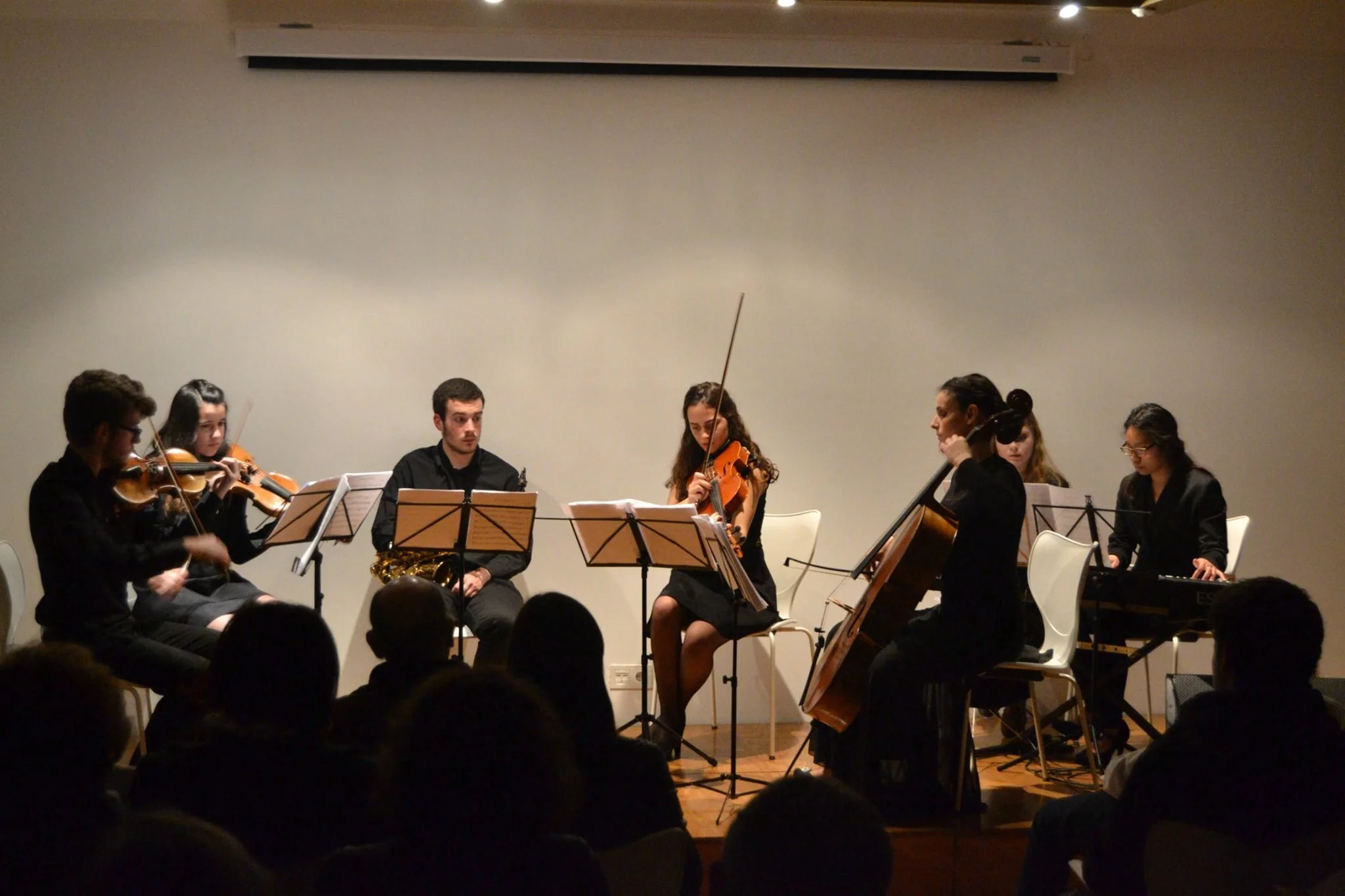
The project developed a programme centred on Portuguese musical identity and contemporary chamber performance, working in a conductorless format that placed greater emphasis on communication and collective artistic responsibility between the musicians.
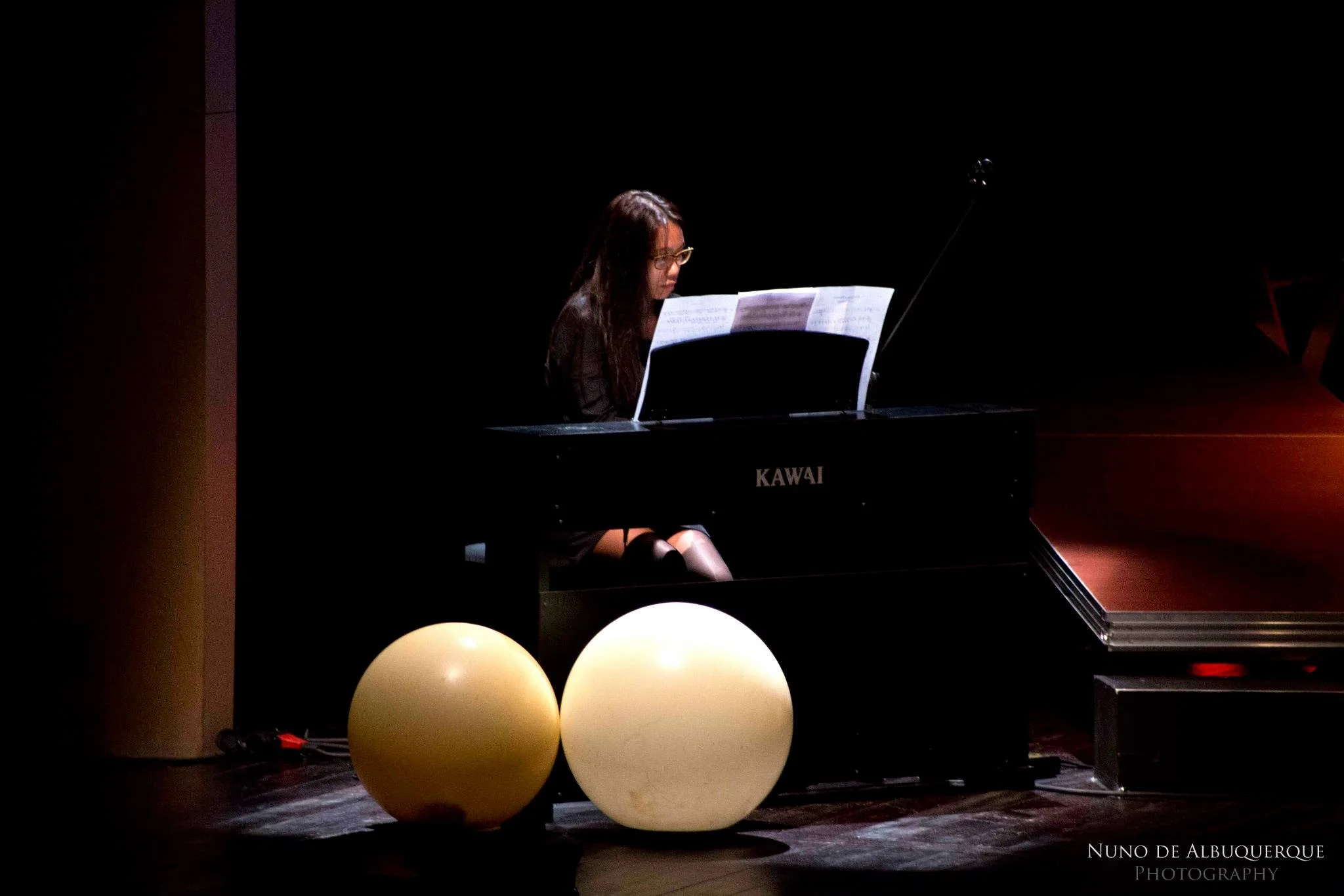
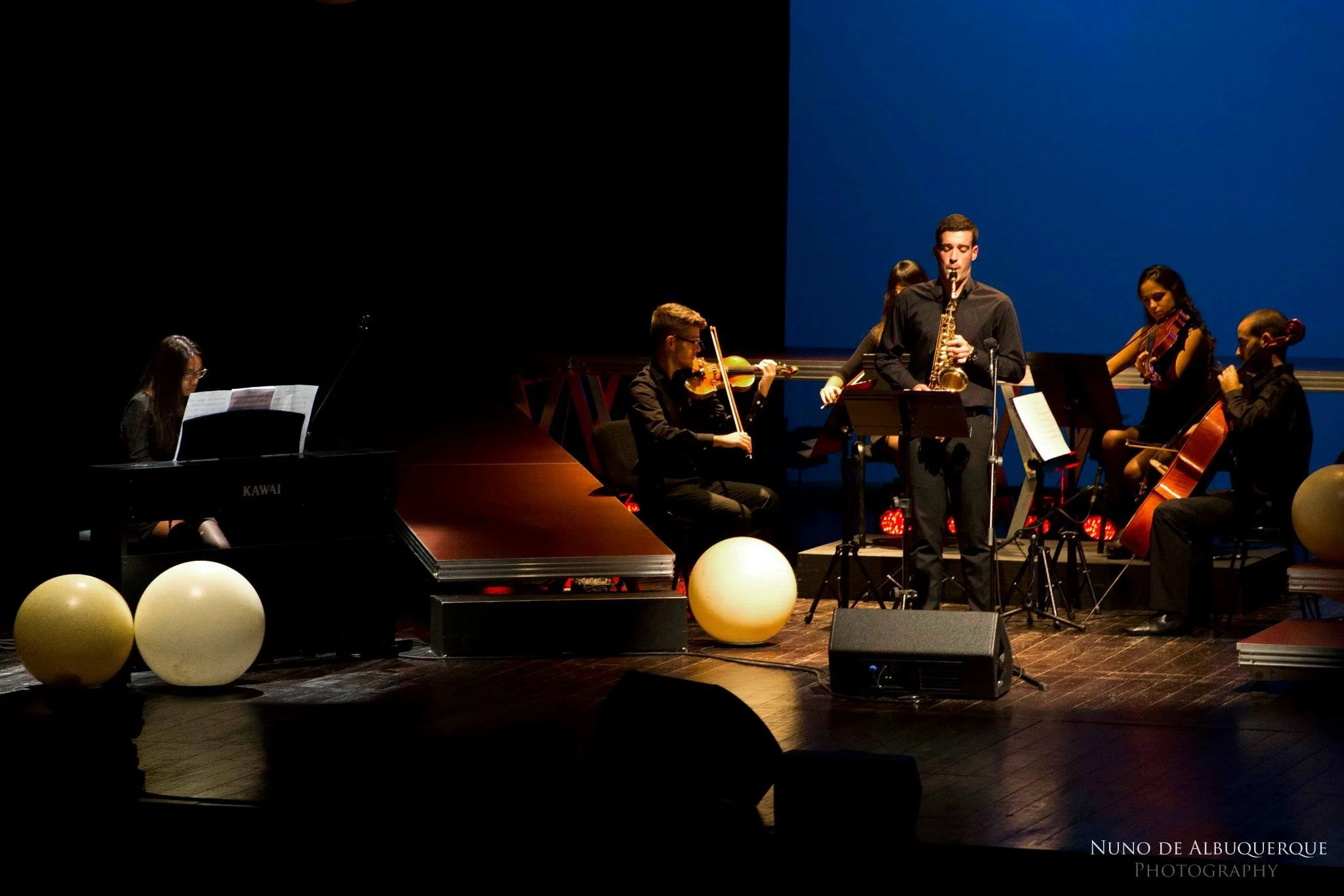
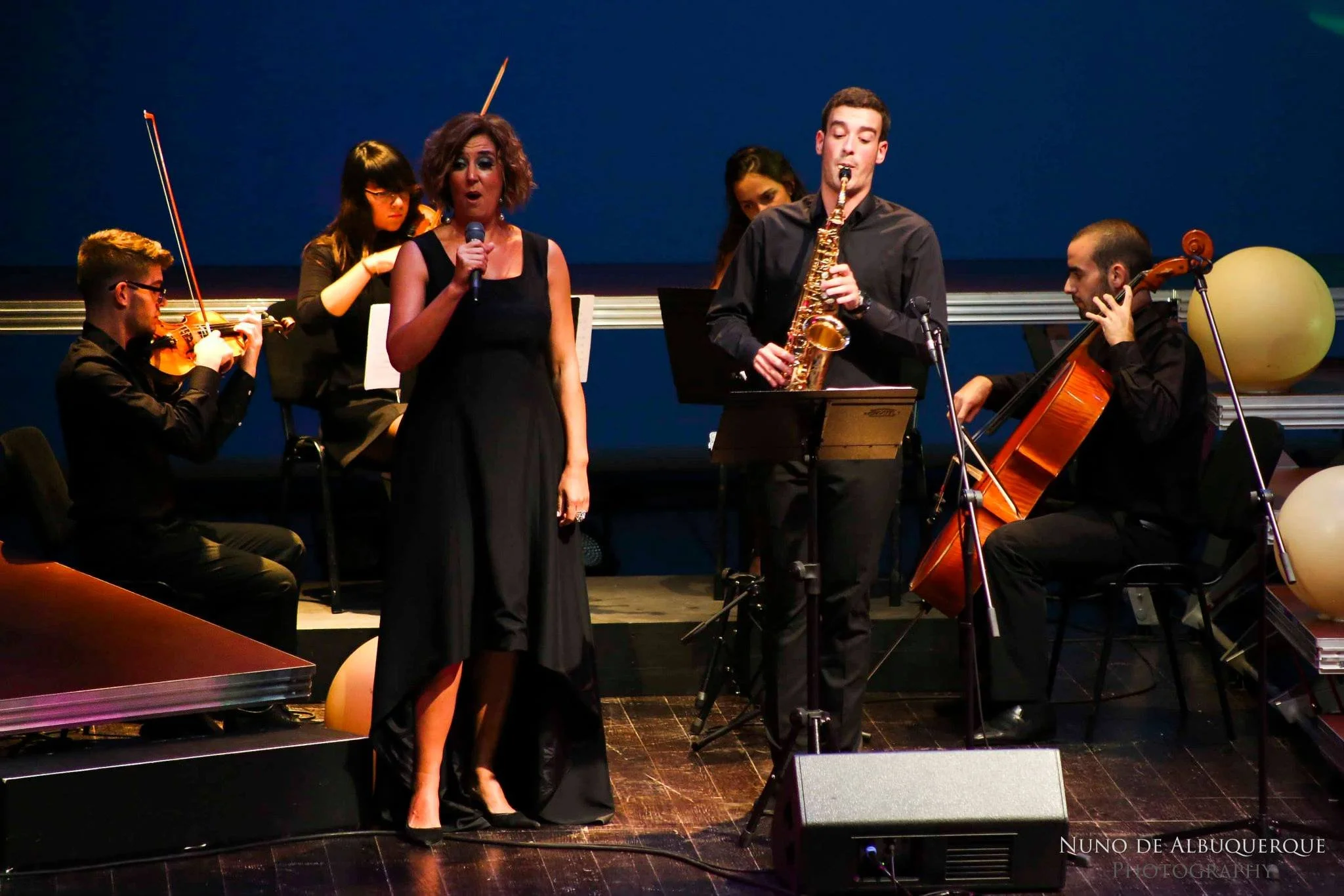
The programme included the world premiere of a concerto for saxophone, piano and chamber orchestra by Gonçalo Lourenço, alongside repertoire by composers including Piazzolla and Morricone.
Performances took place at Dora Stoutzker Hall and Llanover Hall Arts Centre.
Alongside the artistic programme, part of the project was connected to fundraising and awareness activity supporting LGBTQ+ causes, continuing the ensemble's interest in linking performance with wider social contexts.
Artistic Approach
Vision Ensemble approaches chamber music as a flexible form of collaboration rather than a fixed format.
Its work brings together classical training, new arrangements, contemporary repertoire and music drawn from popular culture, allowing programmes to respond to different audiences, spaces and cultural contexts.
The ensemble is particularly interested in how chamber music can communicate beyond purely musical concerns, creating opportunities for cultural exchange, social engagement and collaboration between artists.
For me, Vision Ensemble also represents an important part of my development as an artistic director, programmer and collaborative musician, providing an early platform through which I could develop concert concepts, lead artistic projects and explore how music can connect with identity, community and contemporary culture.
United Kingdom Partnership